Amazing Ethiopia Tours
Travel
Guide
Discover Ethiopia’s rich heritage, breathtaking landscapes, and vibrant cultures with this comprehensive ultimate adventure guide.
Discover Ethiopia’s rich heritage, breathtaking landscapes, and vibrant cultures with this comprehensive ultimate adventure guide.
Why Visit Ethiopia?
Ethiopia is a land of unparalleled diversity, where ancient history, vibrant cultures, and dramatic landscapes converge. As the only African nation never colonized, it boasts a unique heritage, from the rock-hewn churches of Lalibela to the tribal traditions of the Omo Valley. Whether you’re trekking the Simien Mountains, exploring the otherworldly Danakil Depression, or sipping coffee in Addis Ababa, Ethiopia offers an adventure like no other.
Ethiopia’s Unique History
Ethiopia’s storied past sets it apart as a beacon of African resilience and cultural depth. Its victory at the Battle of Adwa in 1896, where Emperor Menelik II’s forces defeated Italian invaders, secured its status as the only African nation never colonized, fostering a fierce sense of national pride and identity. This independence allowed Ethiopia to preserve traditions, languages, and religious practices that might otherwise have been suppressed.
The adoption of Christianity in the 4th century under King Ezana made Ethiopia one of the world’s earliest Christian states, with the Ethiopian Orthodox Tewahedo Church shaping its spiritual and cultural landscape. The Ge’ez script, still used in liturgical texts, is among the oldest continuously used alphabets, linking modern Ethiopia to its ancient Aksumite roots. As the cradle of humankind, Ethiopia’s Great Rift Valley yielded Lucy (Australopithecus afarensis), a 3.2-million-year-old fossil discovered in 1974 at Hadar, offering critical insights into human evolution. This combination makes Ethiopia a living museum of human history.
The Heart of Ethiopia
Geographical Overview
Explore the Wonders
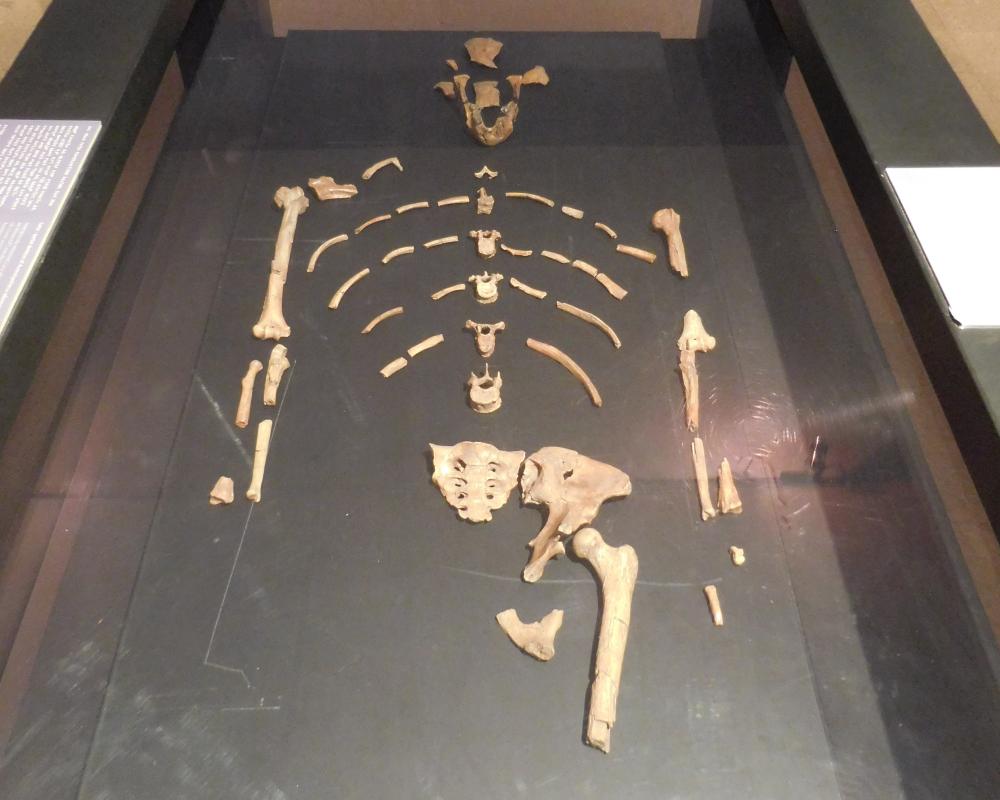
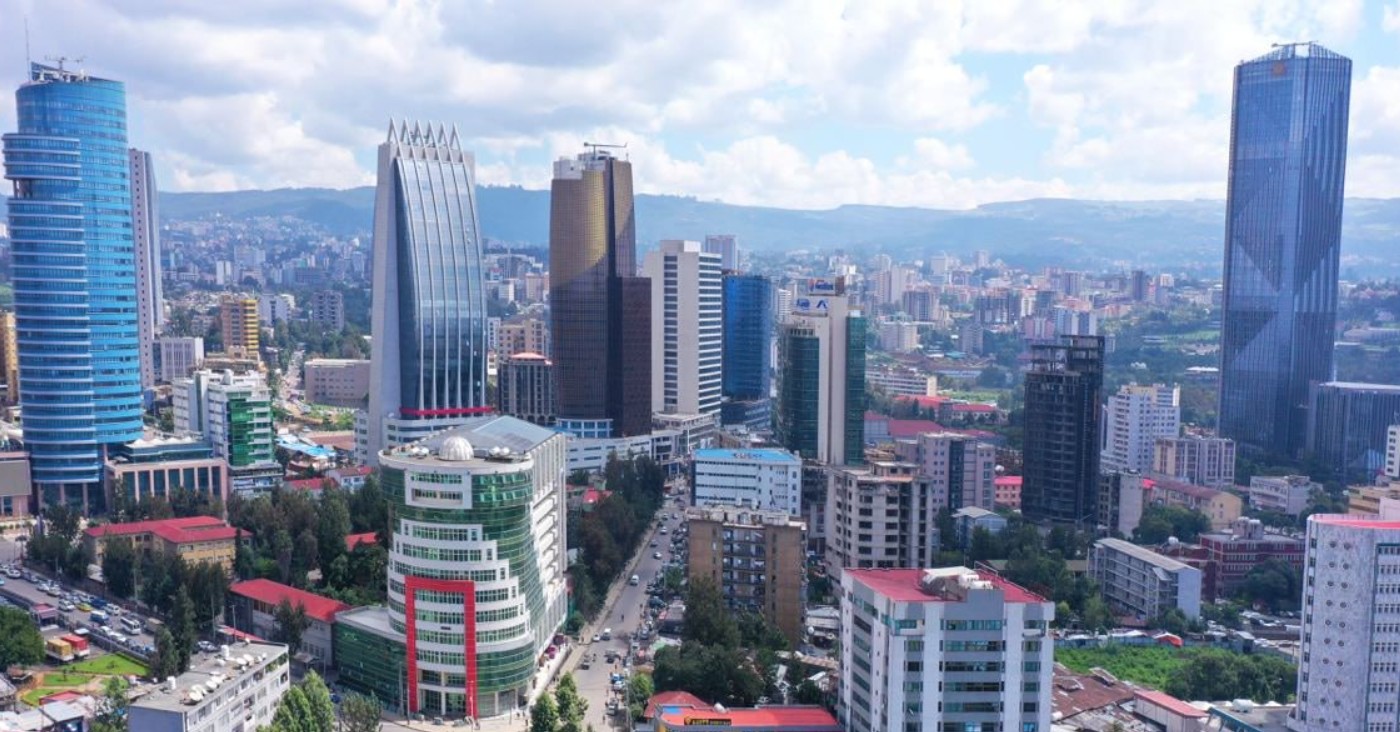
Addis Ababa’s Role: Established in 1886 by Empress Taytu Betul, who chose its high-altitude (2,400m) location for its strategic and climatic advantages. Nestled in the Entoto Hills, the city has grown into a cosmopolitan hub, serving as the seat of the African Union. Its skyline blends modern skyscrapers with historic landmarks like the Holy Trinity Cathedral and the National Museum, home to Lucy’s skeletal remains. The Merkato is a sensory overload of colors and scents. As the birthplace of coffee, its coffee culture is a ritualistic art form.
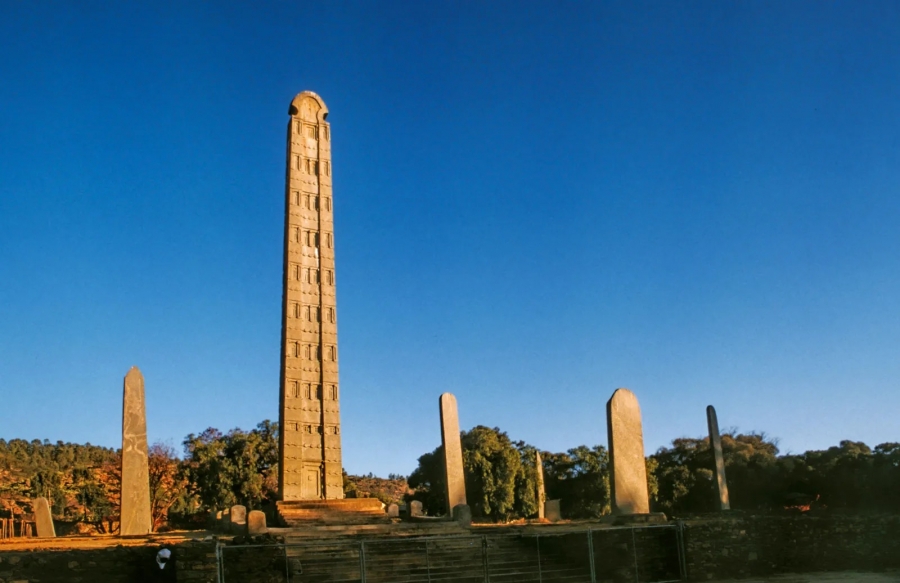
Historical Significance: Axum was a powerhouse of trade and culture linking Africa with the Red Sea and the Mediterranean. The Stelae Park, a UNESCO World Heritage Site, features towering granite obelisks erected as funerary markers for royalty. Axum’s spiritual significance stems from its claim to house the Ark of the Covenant at the Church of St. Mary of Zion. Visitors can explore the ruins of the Queen of Sheba’s palace (Dungur) and absorb Axum’s serene, sacred atmosphere where ancient stones whisper tales of a globalized past.
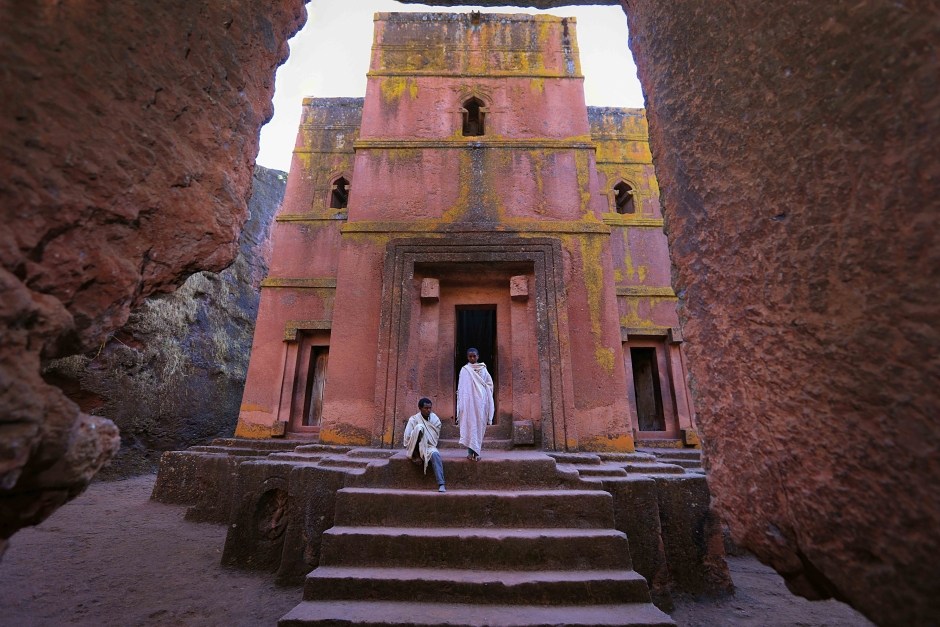
Architectural Marvel: Carved in the 12th century under King Lalibela’s reign, these monolithic structures were hewn directly from the earth to create a “New Jerusalem.” Bet Giyorgis, a cross-shaped church carved 15 meters deep, stands as the most iconic. The churches, linked by subterranean tunnels, form a labyrinth where priests chant ancient Ge’ez liturgies. At 2,600 meters, its highland setting offers sweeping views of the Lasta Mountains, immersing travelers in a spiritual marvel that feels untouched by time.
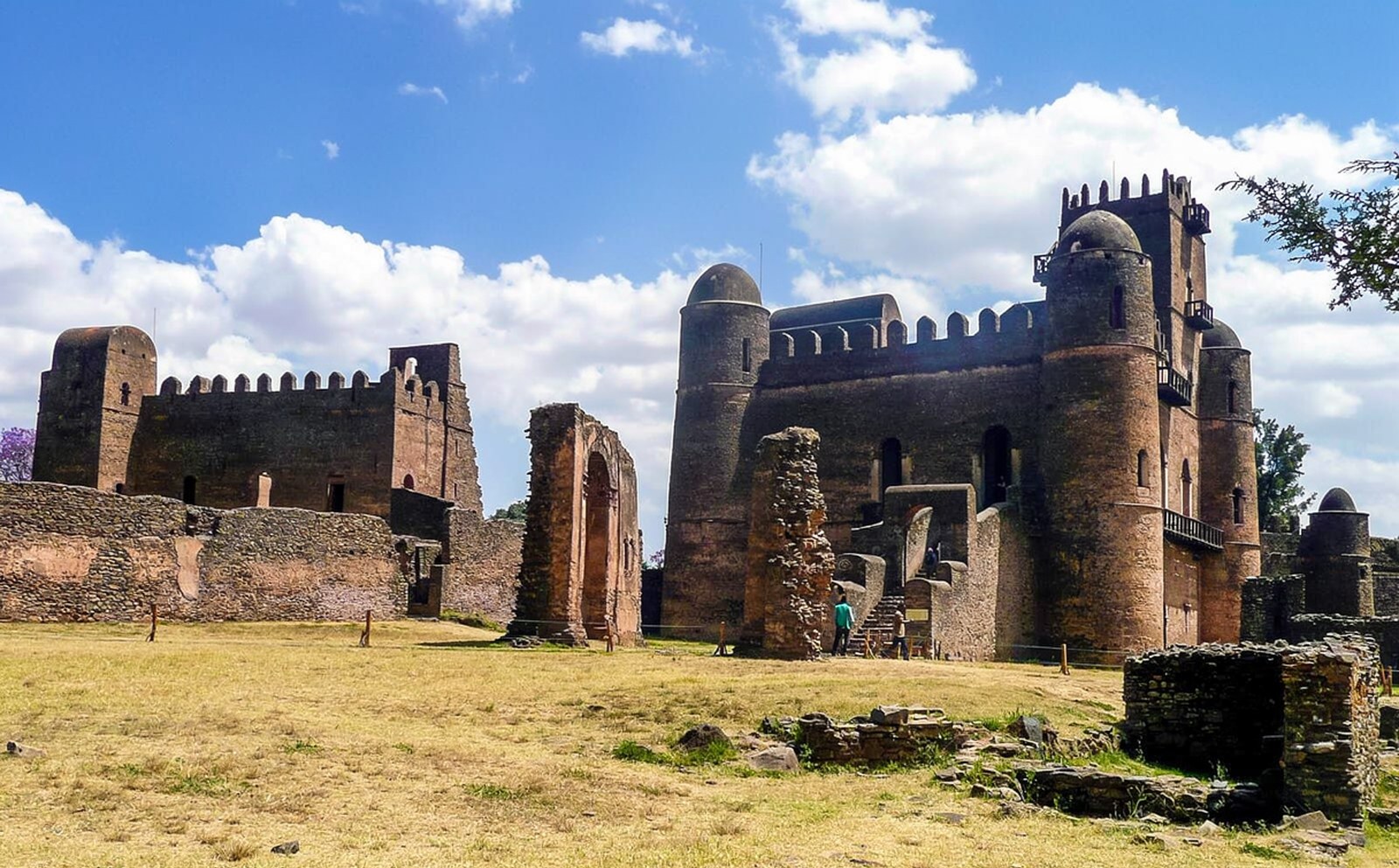
Royal Legacy: Gondar served as Ethiopia’s capital from 1636 to 1855 under the Solomonic dynasty. The Fasil Ghebbi, a UNESCO-listed Royal Enclosure, is a fortified complex of palaces built by emperors like Fasilides, blending Ethiopian design with Portuguese and Indian influences. The castle of Fasilides evokes a medieval grandeur rare in sub-Saharan Africa. Nearby, Debre Birhan Selassie Church dazzles with its vividly painted frescoes, where cherubs crowd the ceiling and biblical scenes narrate Ethiopia’s Orthodox faith.
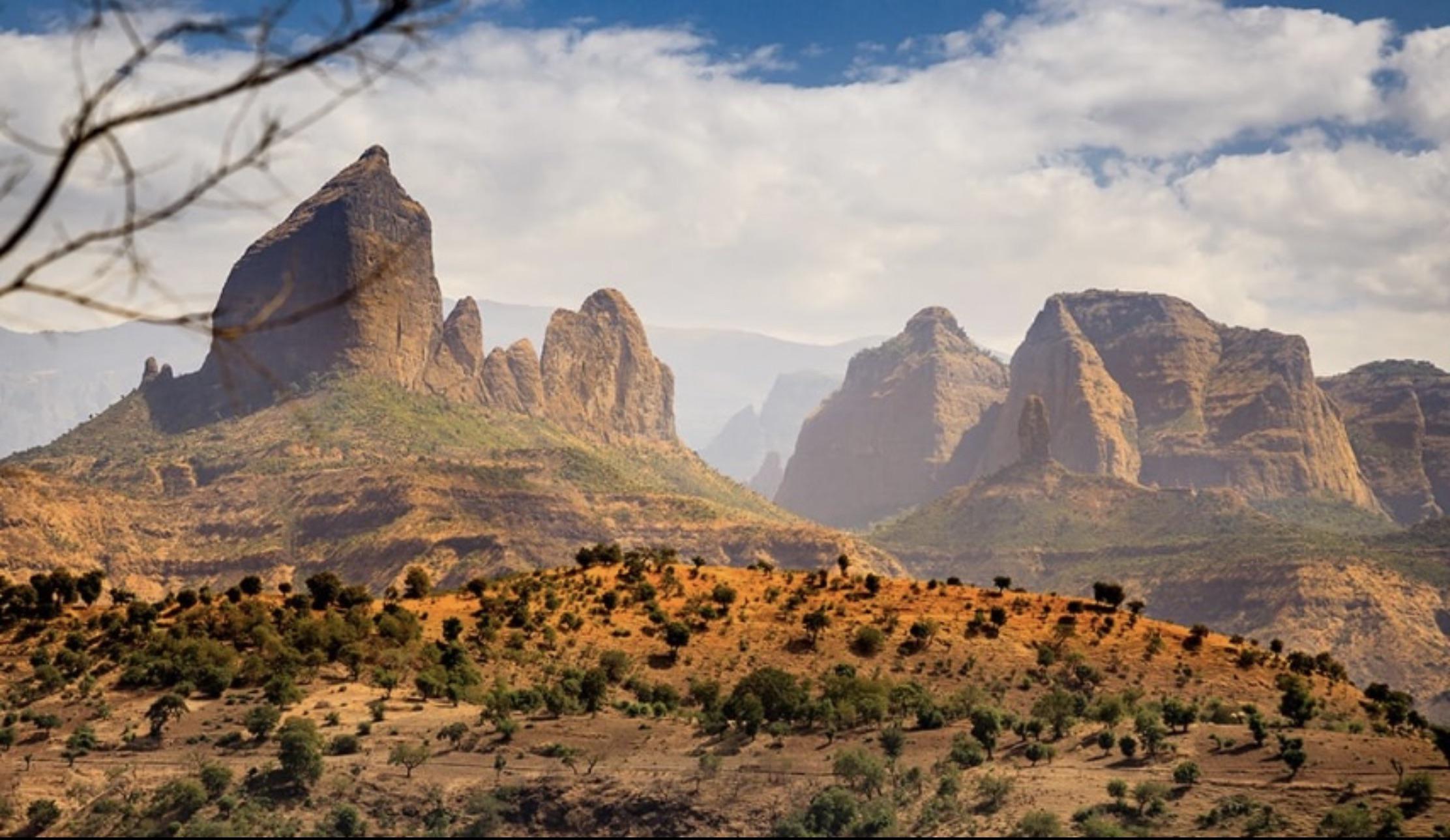
Biodiversity: Formed by volcanic activity millions of years ago, the park’s rugged terrain supports a biodiversity hotspot. Gelada monkeys roam in troops of hundreds, while the elusive Walia ibex and the critically endangered Ethiopian wolf add to the ecological significance. Trekking routes immerse visitors in vistas of 1,000-meter cliffs and alpine meadows. Camping under starlit skies offers a raw connection to nature in Ethiopia’s wild heart.
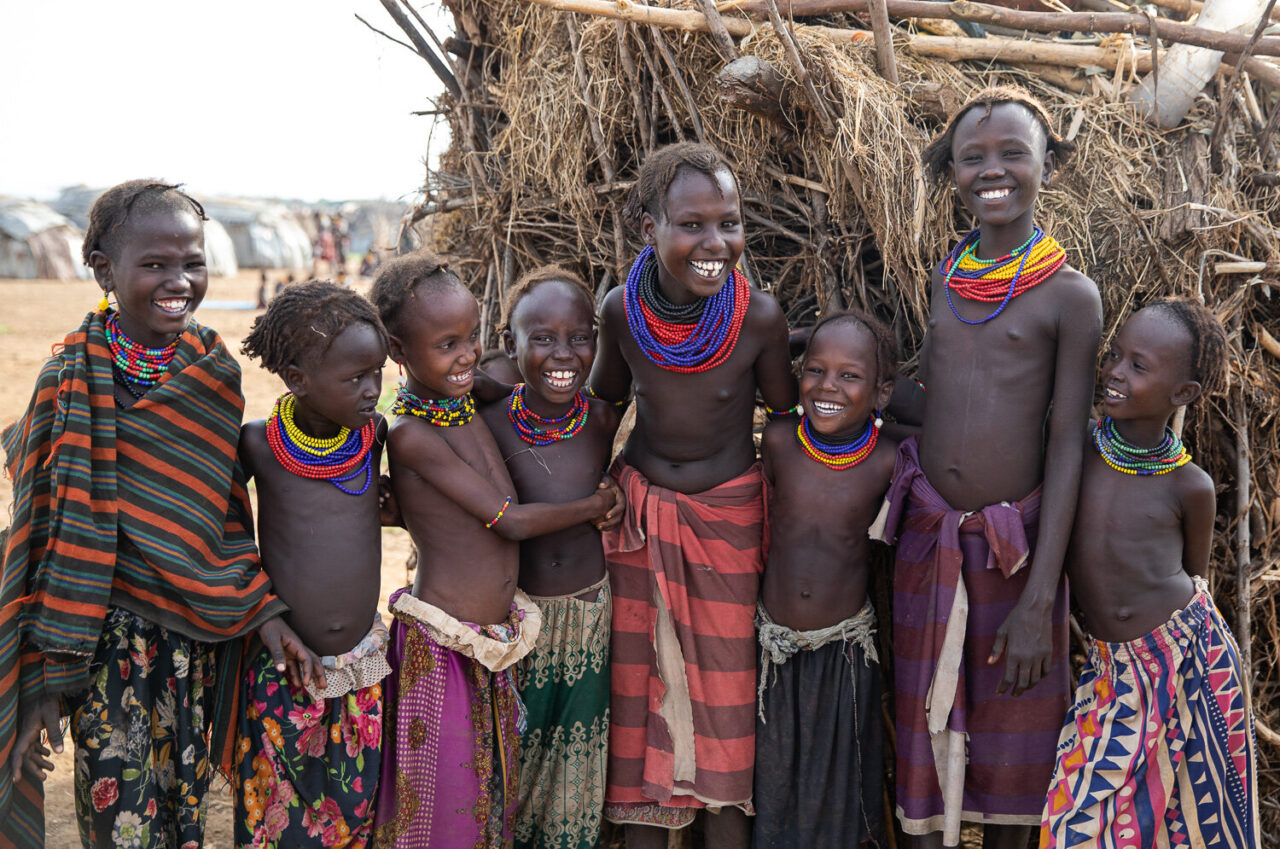
Cultural Diversity: Home to over 16 distinct ethnic groups, traditions have thrived here in relative isolation. Tribes like the Hamar maintain practices such as bull-jumping, while the Mursi are iconic for clay lip plates. Markets in Turmi and Jinka buzz with activity where tribes trade livestock and beads. Guided tours prioritizing consent, fair compensation, and cultural respect are essential to engaging ethically with this fragile and breathtaking heritage.
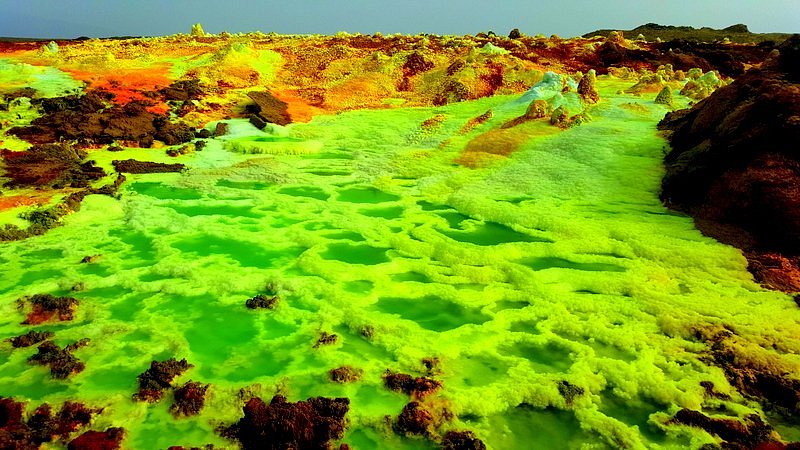
Extreme Environment: Lying 116 meters below sea level, its geothermal activity creates a surreal palette of neon-yellow sulfur lakes, bubbling hot springs, and salt flats at Dallol. The active Erta Ale volcano, with its rare lava lake, glows red against the night sky. For centuries, Afar nomads have mined salt slabs—known as “white gold”—and transported them via camel caravans. The Danakil’s otherworldly beauty is a bucket-list adventure for those seeking the planet’s raw edges.
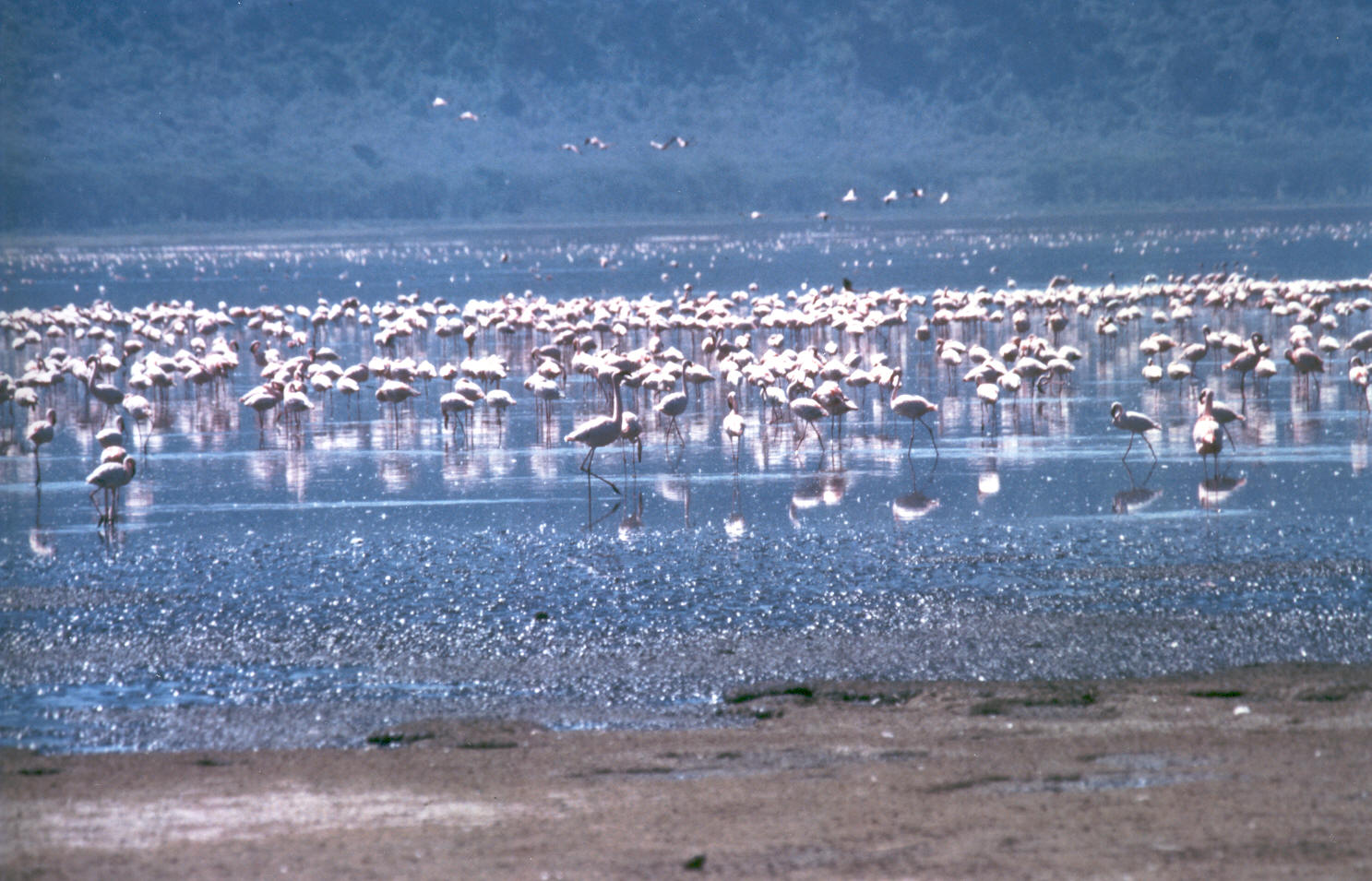
Ecological Role: Lake Ziway is a birdwatcher’s paradise hosting great white pelicans and hippos. Lake Chamo is famed for its giant Nile crocodiles, offering thrilling boat safaris. Lake Langano, with its bilharzia-free waters, is a favorite for swimming and beachside relaxation at eco-lodges. The lakes’ ecological diversity supports vibrant communities and incredible biodiversity, making it a perfect blend of natural beauty and cultural vitality.
Living Traditions
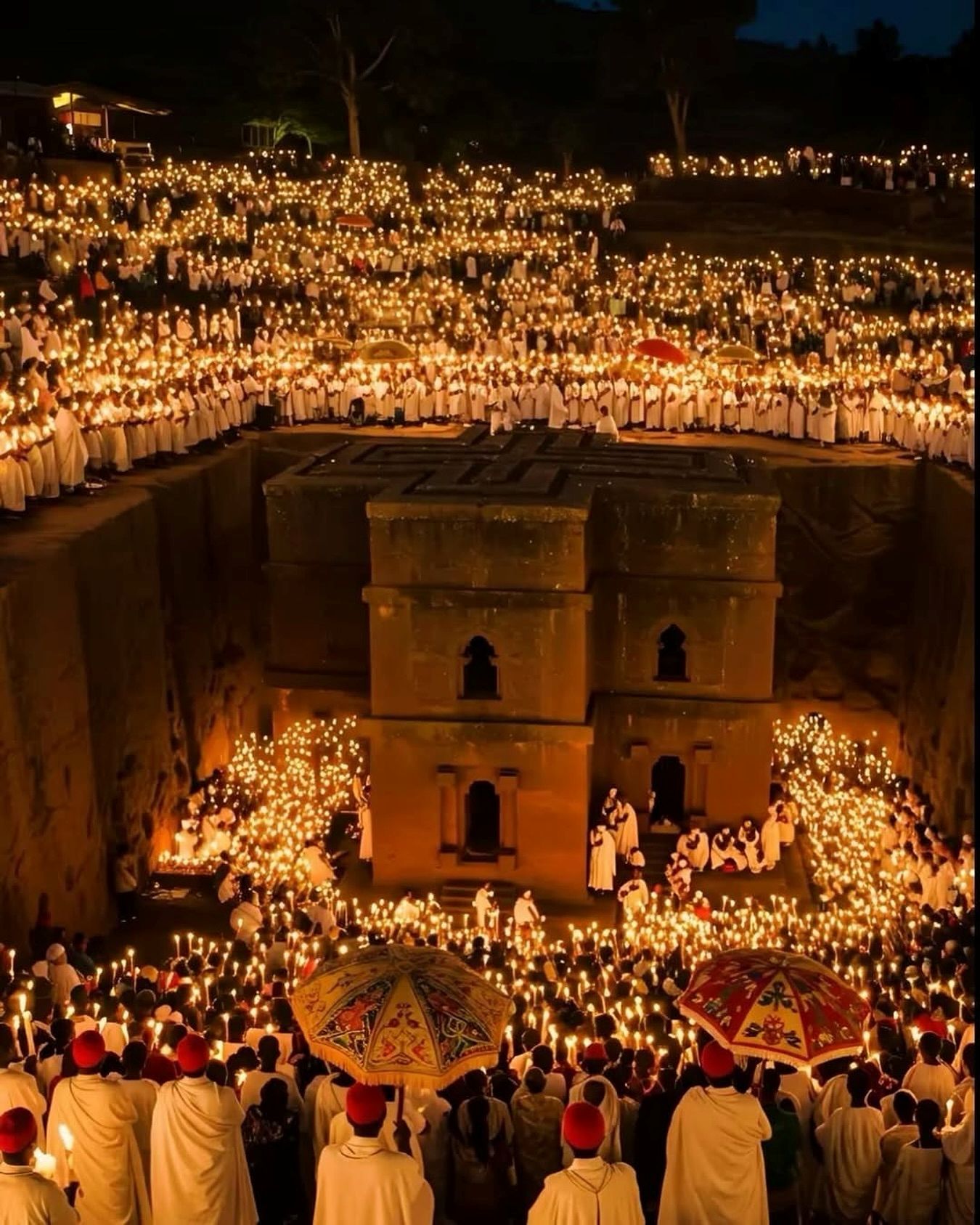
Ethiopia’s cultural tapestry is woven from its roots and tribal practices. Make sure to immerse yourself in these iconic moments:
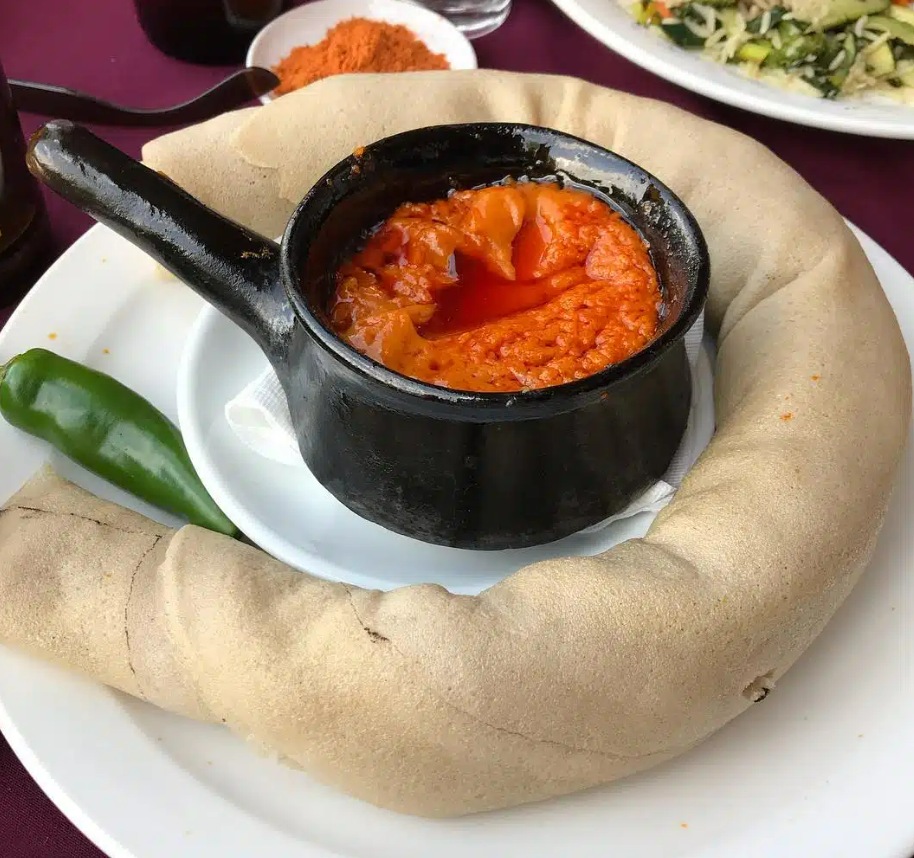
Ethiopian cuisine is a vibrant expression of the country’s agricultural bounty, centered around injera. It serves as both plate and utensil, topped with an array of stews (wat) flavored with berbere, a complex spice blend of chili, garlic, and indigenous herbs. Ethiopia’s Orthodox Christian tradition has fostered a rich vegetarian cuisine, featuring dishes like shiro and gomen, making the country a haven for plant-based diets.
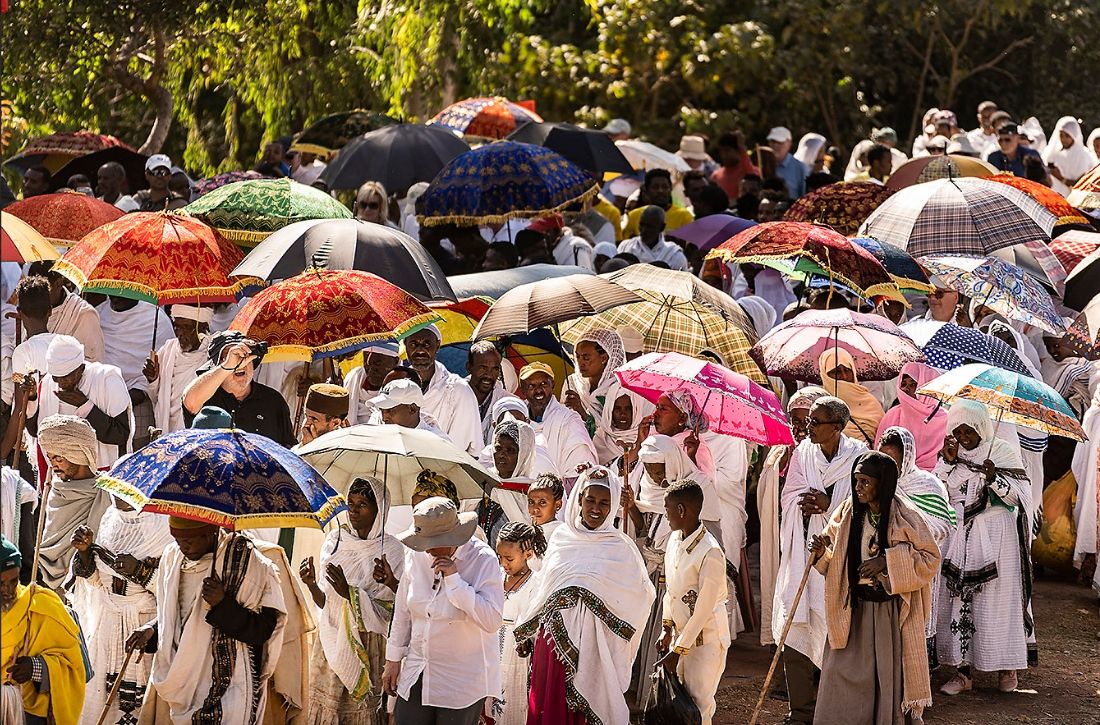
Ethiopia’s religious diversity weaves a complex cultural fabric. The Orthodox Church traces its roots to the 4th century and uses the ancient Ge’ez language. Islam thrives in Harar, known as the “fourth holiest city” in Islam, with 90 mosques. In the Omo Valley, animist tribes worship nature spirits. This coexistence fosters a rare interfaith harmony seen vividly during grand festivals like Timkat and Meskel.
Know Before You Go
The dry season (October–February) is ideal for most regions, with pleasant temperatures (15–25°C) in the highlands and manageable heat in the Danakil (30–40°C). The wet season (June–September) brings lush landscapes but muddy roads in the Omo Valley. Avoid April–May rains for southern routes.
Ethiopia’s cultural landscape demands a sensitive approach to ensure respectful travel:
Make sure you are prepared for varied climates and remote excursions.
| Item | Why You Need It |
|---|---|
| Light, long-sleeve clothing | Sun protection and cultural modesty |
| Hiking boots | For treks in Simien and Tigray |
| Sunscreen & hat | Intense sun, especially in Danakil |
| Mosquito repellent | Malaria risk near lakes and rivers |
| Cash (Birr) | ATMs scarce outside Addis |
| Power bank | Unreliable electricity in remote areas |
| Medical kit | Limited clinics in rural areas |
Essential Information
Visas are required for most nationalities. Citizens of 33 countries can obtain a visa on arrival at Bole International Airport for $50 (30 days). E-visas are available at evisa.gov.et. Apply at Ethiopian embassies otherwise.
The Ethiopian Birr (ETB) is the local currency. Exchange USD, EUR, or GBP at banks in Addis; high-denomination, post-1999 USD notes get better rates. ATMs are available in cities but rare in rural areas. Credit cards are accepted only in upscale hotels.
Internet is reliable in Addis but spotty elsewhere; Ethio Telecom SIM cards offer 4G in cities. Wi-Fi is available in upscale hotels. Power outages occur. Ethiopia uses 220V, 50Hz with Type C/F sockets (round two-pin).
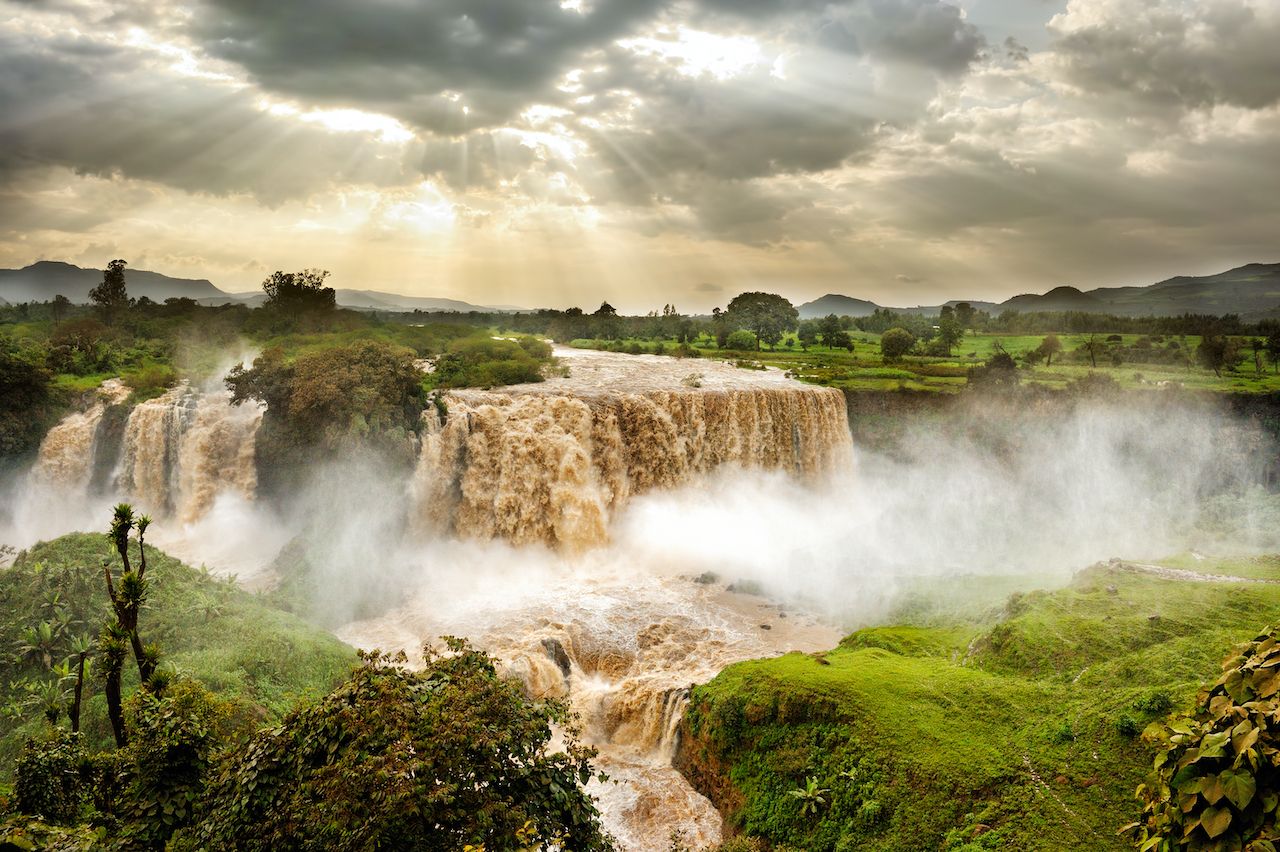
Whether you’re captivated by the fiery lava lakes of Erta Ale, the serene Blue Nile Falls, or the remote wilderness of tribal safaris, let us transform your travel dreams into reality. Experience Ethiopia's magic.