Navigate the vibrant, bustling markets of southern Ethiopia. Learn the etiquette of respectful photography, what to expect, and how to authentically interact with the Hamar, Mursi, and Karo communities.
The Omo Valley, tucked deep in the southwestern corner of Ethiopia, is a cultural mosaic unlike any other place on earth. Home to over a dozen distinct indigenous ethnic groups, it is a region defined by its profound connection to the land, its ancient pastoral traditions, and its breathtakingly diverse languages and customs. One of the absolute best ways to experience the vibrancy of this region is by visiting the weekly tribal markets.
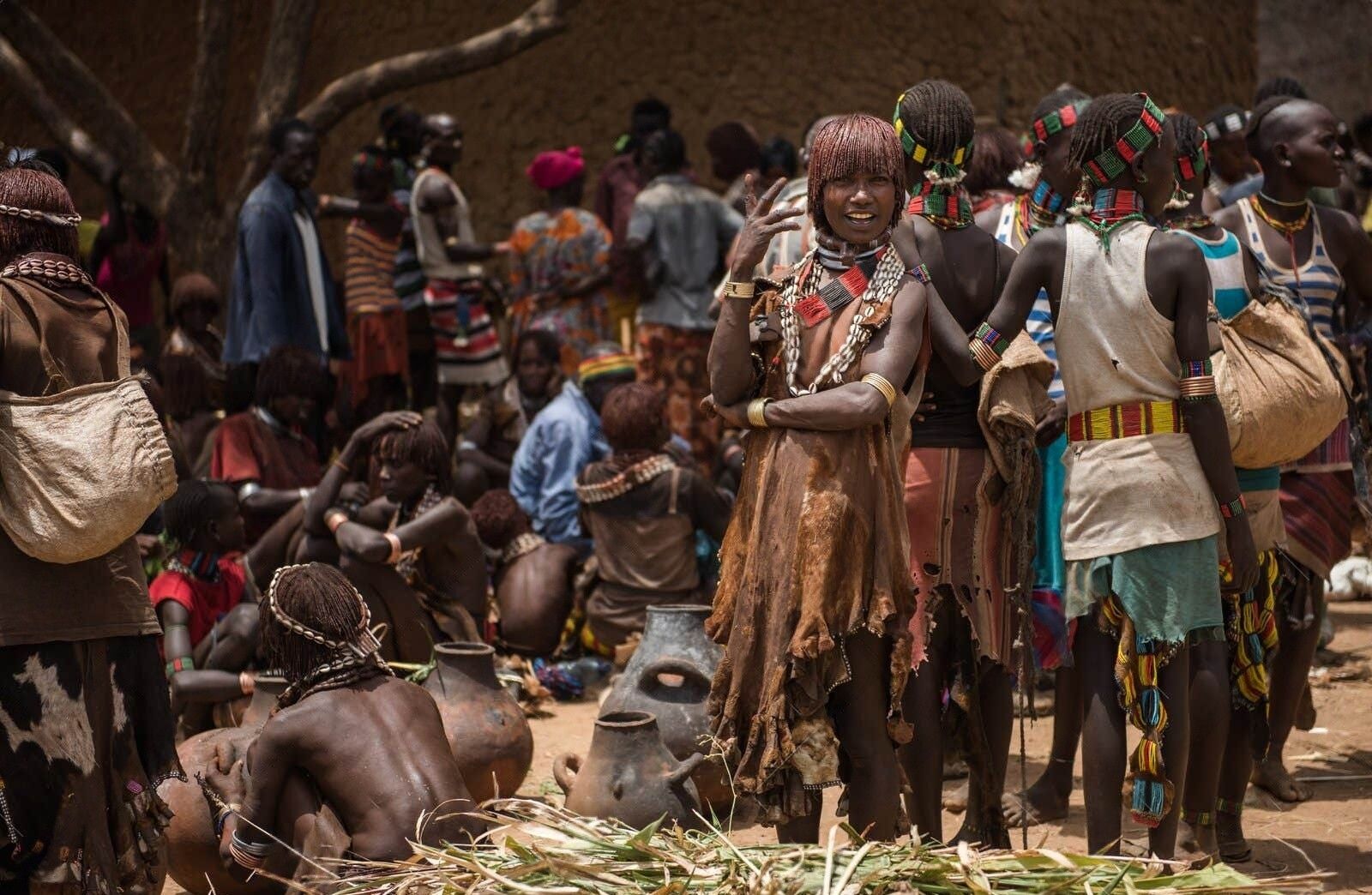
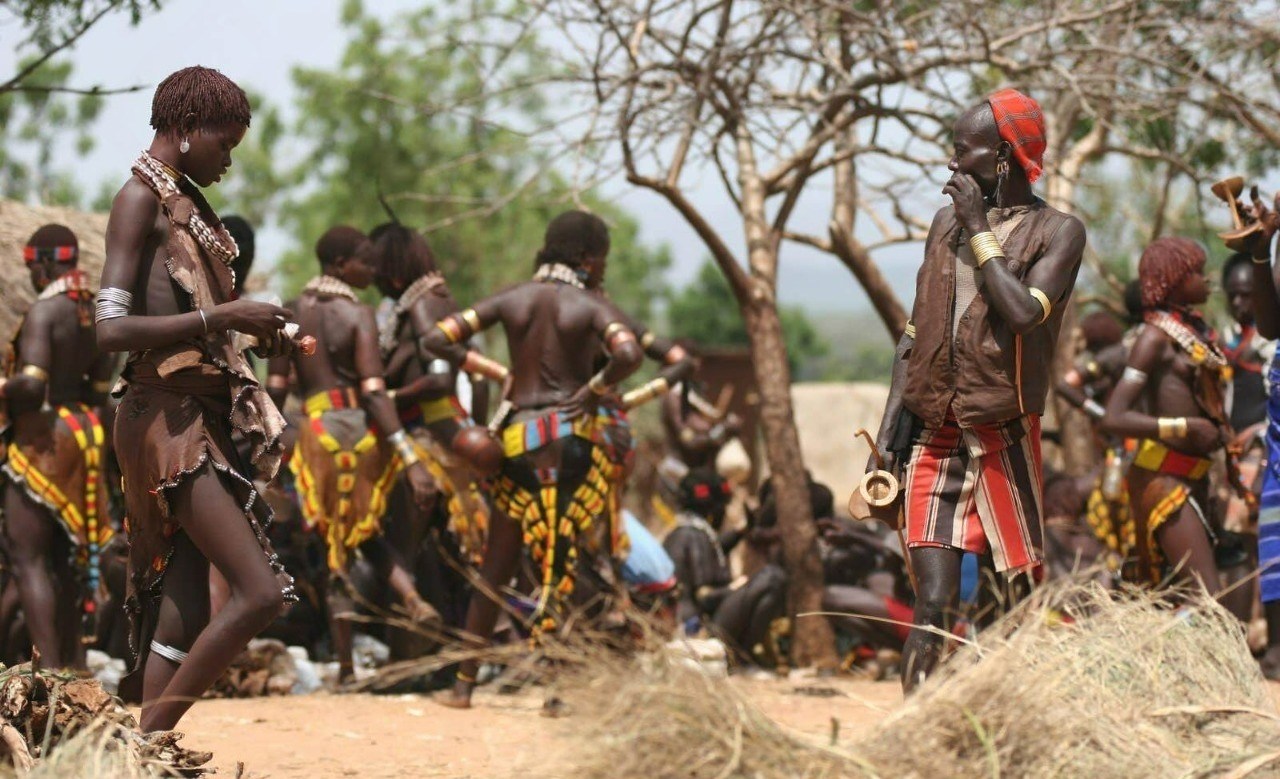
These markets are much more than mere commercial hubs; they are the social epicenter for the surrounding communities. People walk for hours—sometimes days—across the hot, dusty savanna to buy and sell livestock, grains, wild honey, colorful beads, and calabashes. Beyond commerce, it is where news is shared, marriages are arranged, and local gossip is traded over gourds of sorghum beer.
The Heartbeat of the Omo: Key Markets
While there are dozens of small trading posts scattered across the region, three markets stand out for their size and significance:
- Turmi Market (Mondays): This is the premier gathering place for the Hamar people, renowned for their striking appearance. Hamar women beautifully coat their hair in thick, ochre-colored clay mixed with butter, creating distinct, tight ringlets known as goscha. You will also frequently see members of the Karo and Dassanech tribes here.
- Key Afer Market (Thursdays): A sprawling, energetic market where the Banna, Ari, and Tsemai tribes converge. It’s one of the largest and most colorful markets, offering a sensory overload of sights, sounds, and smells.
- Dimeka Market (Tuesdays and Saturdays): Another vital hub for the Hamar and Banna people, this market is generally less crowded with tourists than Turmi, offering a slightly more relaxed atmosphere.
True travel is about connection, not just collection. The most beautiful images you will take home from the Omo Valley are the memories of shared laughter.
Photography Etiquette: Respect and Consent
It is impossible to visit the Omo Valley without being captivated by the visual splendor of its people. From the intricate lip plates of the Mursi women to the elaborate body painting of the Karo, the desire to capture these moments on camera is natural. However, the dynamics of photography in this region require profound sensitivity and respect.
In many parts of the Omo Valley, photography has become a highly transactional exchange. It is an essential source of income for many families. The golden rule is simple: Always ask for permission before taking a photo, and be prepared to pay a small, agreed-upon fee per click.
Never treat the locals like subjects in a human zoo. Do not stick long lenses in people's faces without their consent, and respect their right to say "no." It is vital to negotiate the fee upfront (usually between 5 to 10 Ethiopian Birr per person, per photo) to avoid uncomfortable arguments later.
Engaging Authentically
To move beyond the transactional nature of photography, you must actively try to engage. Here is how you can ensure your visit is respectful and mutually beneficial:
1. Hire a Local Guide: A knowledgeable guide from the specific tribe you are visiting is indispensable. Not only will they act as translators, but they will also bridge cultural gaps, explain the significance of what you are seeing, and ensure your presence is not disruptive.
2. Learn the Greetings: A few words go a very long way. Learning how to say "Hello" or "Thank you" in the local dialect (such as Hamar-Banna or Mursi) will instantly break the ice and elicit warm smiles.
3. Support the Local Economy: Instead of just paying for photos, buy local goods. Purchase raw honey, hand-carved wooden stools, or traditional beadwork directly from the artisans. This provides sustainable economic support and encourages the preservation of traditional crafts.
Visiting the tribal markets of the Omo Valley is a profound privilege. Approach the experience with an open heart, a respectful demeanor, and a willingness to learn, and you will leave with an appreciation for humanity’s incredible diversity.